smartcybers786@gmail.com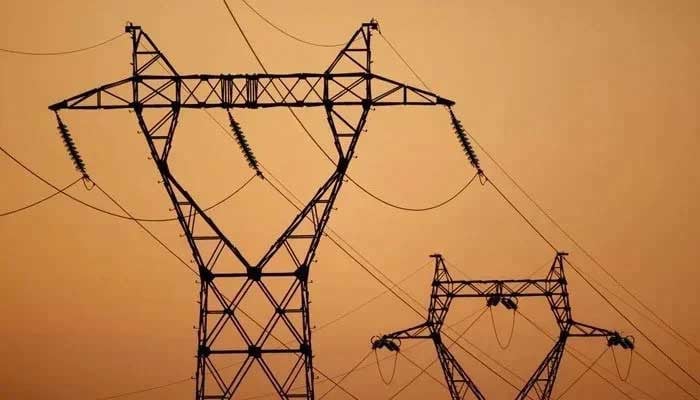
This undated image shows a view of power grid towers. — Reuters/File
#Govt #signs #Rs1.225tr #deal #banks #cut #circular #debt
The federal government, in conjunction with a group of eighteen banks, has signed an agreement to finance Rs 1.225 trillion, aimed at dealing with the country’s power sector circular debt.
On this agreement, it is considered an important milestone for both energy and financial sectors, signed during a high -level ceremony at the Prime Minister’s house.
This is one of the most important financial interference in the history of the nation and aims to restore financial balance, unlock development, and restore confidence in Pakistan’s economic management.
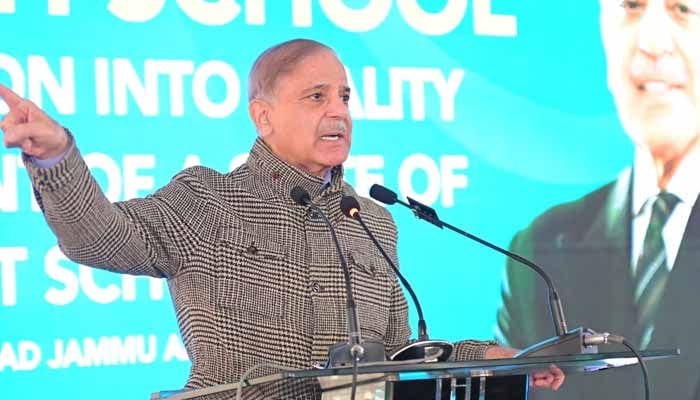
Prime Minister Shahbaz Sharif, who witnessed a signing ceremony through a New York video link, described the deal as an important success in resolving the growing issue of circular debt. He supported the relevant task force for the ideal fulfillment of the responsibilities.
The Prime Minister noted that the Managing Director of the IMF praised the government for the implementation of these reforms during his meeting. He added that the next phase involves dealing with the privatization and line losses of the disco, and emphasizing a confident and determined approach to achieving further achievements.
Speaking on the occasion, Finance Minister Mohammad Aurangzeb said that the agreement was the biggest financial support and reorganization transaction in the history of Pakistan.
He said that the financing facility would help deal with the issue of circular loan. He said that this is a winning situation for all, emphasizing that the benefits of structural reforms in the power sector will eventually reach consumers.
Minister for Power Sardar Ivas Legisi said that the convenience of financing circular loans was an important step to restore the financial health of the power sector. He said that this would restore stability and provide relief to consumers. He said that this is not an isolated move but a part of the government’s wider reform agenda.
Circular Loan – a permanent challenge that has disabled the energy sector, has damaged investors’ confidence, and has balloon about 2.4.4 trillion (about 2.1 % of GDP) – long -term needed structural reforms.
The agreement has been finalized through months of deep cooperation between the PBA, 18 of the country’s top banks, the Ministry of Finance, the Ministry of Energy (Power Division), the State Bank of Pakistan, and the central power procurement agency.
According to the official statement, this transaction has been created around two major components: Rs 659.6 billion in the reorganization of existing loans already by banks, and Rs 565.4 billion fresh financing to fix government payments to independent power generators (IPPS). This dual approach not only eliminates the lactation pressure on the power sector, but also allows the government to discuss better financial terms and achieve meaningful financial savings.
What separates this arrangement is its modern and sustainable design. The financing facility does not impose a new burden on the government or the power consumers. Instead, it regenerates the existing unit debit services surcharge to provide funds for payments, ensuring transparency and predictions.
Moreover, this facility is offered on privileged terms – Cabor minus minus at a floating rate of 90 points – significantly at the previous debt rate. This price determines a clear consent from the banking sector to prioritize the national interest over short -term profit.
In addition to removing the pressure of the energy sector, this transaction also opens up to $ 660 billion worth of sovereignty, which leads to the most essential liquidity in the banking system. It is expected that these funds will be redirected towards strategic sectors such as agriculture, small and medium -sized businesses (SMEs), cheap housing, education and health care – which offers wider economic stimulation beyond the domain of energy.
PBA Chairman, Zafar Masood, emphasized the widespread importance of the agreement, saying: “This transaction is not just about the number. It represents the commitment of the banking industry to be a real partner in Pakistan’s development. By working closely with the public sector, we have shown that it is a shared vision.”